A conversation with Tham Fuyana and Ozlem Mehmet-Radji, therapists at The Therapy Hub
If you have found yourself wondering whether reaching out for couples therapy means something has gone terribly wrong, you are not alone. It is one of the most common things people think before they pick up the phone. It is worth discussing because that assumption keeps many couples from getting the support they genuinely need. If there is fear of failure or shame associated with seeking support, then it’s going to make it really hard to reach out when you need it most.
Marie Vakakis sat down with two of our couples therapists here at The Therapy Hub, Tham Fuyana and Ozlem Mehmet-Radji, to ask them the questions couples most often have before they walk through the door.
What is the most common pattern in couples who are struggling?
When Tham is asked what the most common pattern is in couples who are struggling, his answer is both simple and surprisingly reassuring.
“Most couples feel that their efforts within the relationship go unrecognised or unappreciated by their partner. In many cases, both partners describe similar feelings of neglect or of not being truly seen, each in their own way.”
That point is worth sitting with for a moment. Both people feel unseen, unsupported or invisible. Both want to feel heard, and both people are trying, in their own way, and neither of them feels like it is landing. Sometimes, no matter what they do, it doesn’t seem to make a meaningful difference. While it feels hard, and it is, that isn’t a relationship that has given up. That is a relationship where two people have gotten stuck in a pattern that is no longer working, and neither of them knows how to find a way out of it.
Ozlem describes that stuck place in a way that will probably feel familiar to a lot of people.
“The most common pattern in struggling couples is two people locked in a cycle of disconnection, each waiting for the other to go first, not knowing how to repair or take the first step toward repair. One partner reaches, the other pulls back. One gets louder, the other shuts down. One criticises, the other gets defensive.”
Each partner genuinely believes their reaction makes sense given what the other person is doing. Both are trying to protect themselves. Both are waiting for a sign that it is safe to do something different, if only the other person would go first. Because they are both waiting, keeping their armour on, the pattern just keeps repeating.This can leave them stuck in conflict or any other unhelpful patterns for months or years.
This is a common and painful pattern for couples; it is a very human response to feeling unsafe or unseen in connection with someone you care about.
Can we have couples therapy after an affair?
Affairs are one of the reasons people come to therapy and can be really difficult for people to work through. It’s very painful and can be confronting and sad, and overwhelming. Betrayal can leave wounds that stay tender for years. Couples therapy indefinitely help couple recover and repair from infidelity and work towards a new version of their relationship while rebuilding trust and healing the hurt that was causing that betrayal. If this is something that is relevant to you, you can read a bit more about it on our blog post here
What does the first session actually look like?
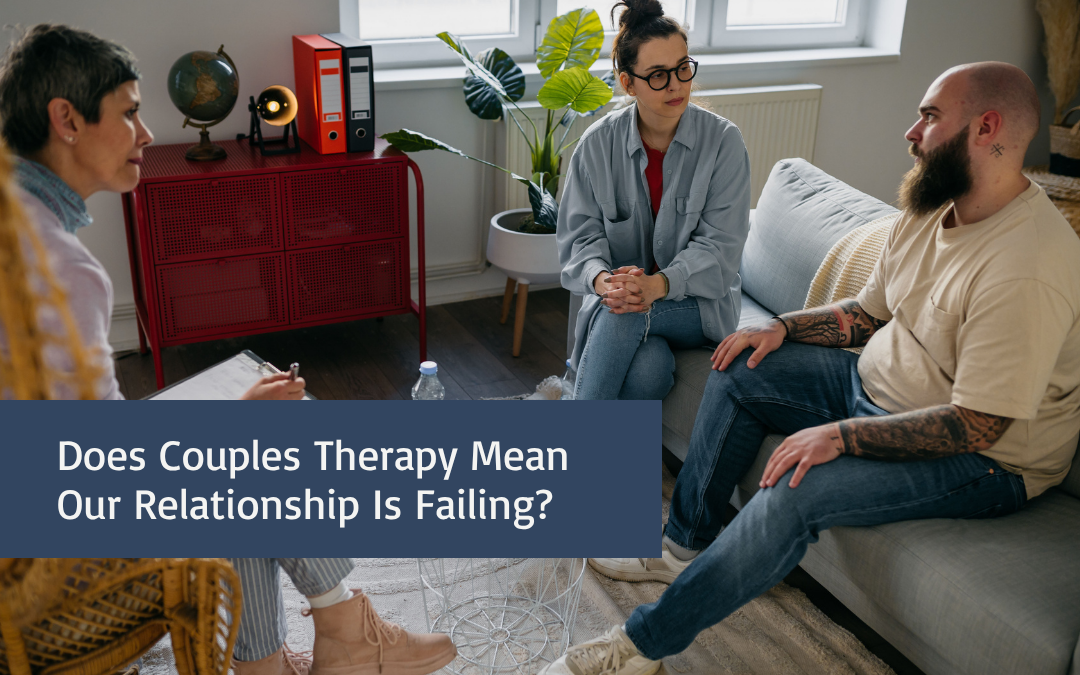
A lot of the anxiety around couples therapy comes from not knowing what to expect when you get there. Tham describes it this way.
“In the first session, my aim is to understand the couple’s story, what has brought them to therapy, and what they hope to achieve. This forms the basis for establishing shared goals that we can work towards together.”
So you are not walking in to be assessed or judged. You are walking in to be heard. The first session is about understanding where you have come from and where you want to go, and then figuring out together what getting there might look like.
What if we are not sure we even want to try?
Being on the fence about couples therapy is genuinely one of the most common places couples find themselves, and Ozlem speaks to it directly.
“Being on the fence about therapy makes a lot of sense. Usually, when couples seek therapy, it is because something is not working and it is causing some discomfort. A part of us hopes it can change, maybe part of us is tired or maybe even discouraged.”
She goes on to ask a question that reframes the whole decision.
“Perhaps the question is not should we try therapy. Maybe we need to ask ourselves, are we willing to learn how to do this relationship differently? Because love alone does not make a relationship work. Skills do. Awareness does. Accountability does. Are we willing to look at our part in what is happening in the relationship?”
That is a meaningful shift and an important reflection, it moves the question away from whether the relationship is good enough or broken enough, and toward whether both people are willing to look honestly at their own part in what is happening. What are you willing to do differently?
Ozlem is also clear about what therapy actually involves once couples are in it. “In this kind of work, we do not just talk about feelings. We actually work to change patterns, how we speak to each other, how we handle conflict, and most importantly, how we show up when things get hard.”
She is equally honest about what it requires. “If both partners are willing and open to exploring this and working together, then there is real hope. But if one partner is waiting for the other person to change first, or is not ready to examine themselves honestly, then therapy will not go very far.”
That is not a discouraging thing to hear; it is actually a clarifying one. Couples therapy is not something that is done to you, your therapist isn’t a judge or mediator, it is a process you’re in together and something you work on together.
Does couples therapy mean you have to stay together?
Well, it depends. As a couples therapist, our success isn’t measured by keeping a couple together; it’s how we support them to have the conversations they need to have and for some, that’s working through things, for others, that’s separating, and for some, it’s co-parenting together, but not being together.
As Tham puts it
“So far, most couples I have worked with have chosen to stay together, largely because that was their goal for therapy. However, I believe that success in couples therapy can take many different forms. Ultimately, it is for the couple to decide what success looks like, and it does not always mean remaining together.”
Success might look like a relationship that feels genuinely close and connected again. It might look like learning how to have conflict without it feeling like the end of everything. For some couples, it looks like separating with more clarity, honesty, and care than they could have managed without support. There is no single right outcome. The goal is not to preserve the relationship at all costs, it is to help both people move toward something that is actually working and meets their needs.
What it comes down to
Couples therapy is not a last resort for relationships that are falling apart. It is a space where two people who care enough to try can learn how to do things differently. The couples who come through our door are not failing. They are stuck, and being stuck is something that can change.
If you have been sitting with that question of whether things are bad enough to warrant getting help, this might be your answer. You do not have to be in crisis to deserve support. You just have to be willing.
If you would like to find out more about couples therapy at The Therapy Hub, or to make a booking, you are welcome to get in touch with us at thetherapyhub.com.au.
Tham Fuyana and Ozlem Mehmet-Radji are both therapists at The Therapy Hub in Footscray, offering couples counselling in person and online.








Recent Comments