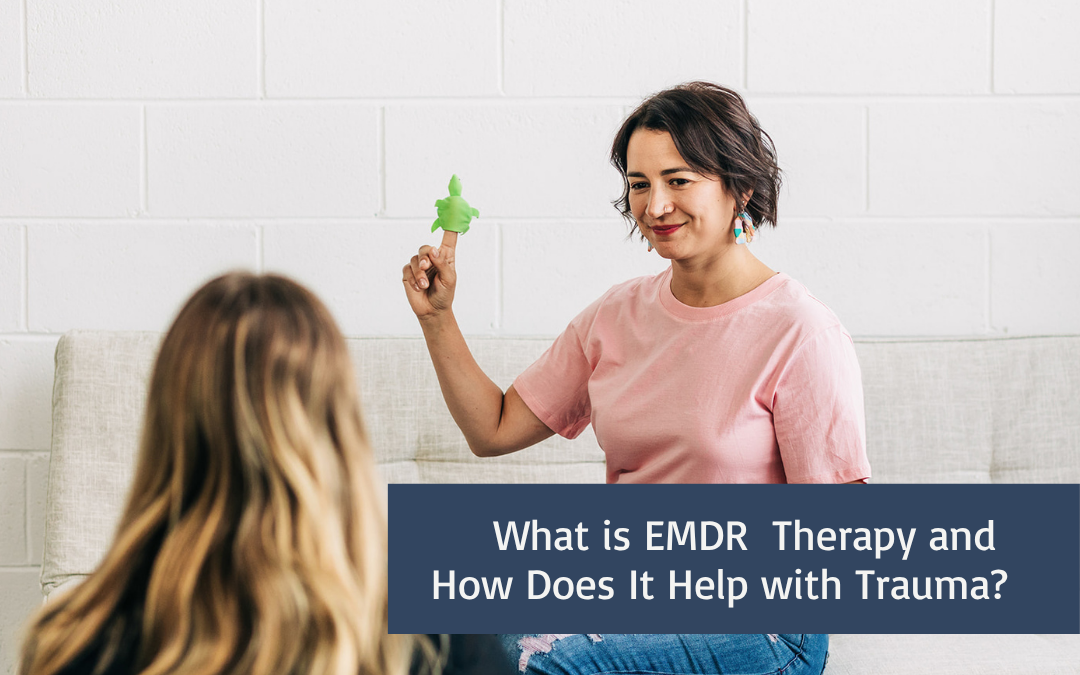
EMDR therapy stands for Eye Movement Desensitisation and Reprocessing. It’s a form of therapy that helps the brain process distressing memories that seem to stay stuck, no matter how much time passes or how much you’ve talked about them.
It has a strong evidence base. It’s recommended by the World Health Organization for the treatment of PTSD, and it’s widely used for trauma, anxiety, phobias, grief and a range of other presentations. It’s also one of the most misunderstood treatments in mental health, which is why this post exists.
Why some memories stay stuck
Not all memories are processed equally. When something happens that overwhelms the brain’s ability to cope, the memory can get stored in a way that stays raw and immediate rather than becoming part of the past. The sights, sounds, smells, and feelings from that moment can be triggered in the present as if it’s still happening.
This is what drives flashbacks, nightmares, and the kind of anxiety that seems to have no current-day explanation. The brain hasn’t finished processing what happened.
What EMDR therapy actually does
EMDR therapy works by activating the memory while engaging bilateral stimulation, usually eye movements, tapping or sounds that alternate between left and right. This appears to help the brain do something similar to what it does during REM sleep: process and file the memory in a way that reduces its emotional charge.
After successful EMDR therapy processing, the memory doesn’t disappear. You can still recall what happened. But it stops feeling like it’s happening right now. The emotional intensity reduces, and the negative beliefs connected to it (I am not safe, it was my fault, I am broken) tend to shift.
What EMDR therapy can help with
EMDR therapy has the strongest evidence for PTSD and trauma. It’s also used effectively for:
- Anxiety and panic, particularly when there’s a traumatic component
- Phobias including fear of needles, driving, flying and medical procedures
- Grief and traumatic loss
- Negative core beliefs about yourself that seem resistant to change
- Intrusive thoughts, flashbacks and nightmares
- Experiences of abuse, assault, accidents or difficult births
You don’t have to talk through everything in detail
One of the things that puts people off trauma therapy is the fear of having to retell everything that happened. EMDR therapy doesn’t require you to narrate your trauma in detail. You’ll briefly attend to elements of the memory while your therapist guides the bilateral stimulation. A lot of the processing happens internally rather than verbally.
This makes EMDR therapy particularly useful for people who’ve found talk therapy limited, or for whom detailed verbal recounting has felt re-traumatising.
What to expect in sessions
EMDR therapy begins with a thorough preparation phase. This isn’t something that gets rushed. You’ll build coping resources, establish safety, and develop a clear understanding of the process before any trauma processing begins. You move at your own pace throughout.
Most people notice shifts within the processing phase, sometimes within a single session. Full treatment varies depending on the complexity of the presentation, but targeted EMDR therapy for a specific memory or event can be completed in relatively few sessions.
For more information, check out What Should I Expect Before Starting EMDR Therapy?
EMDR therapy Intensives in Footscray
If you’d prefer to work more intensively, or your schedule doesn’t allow for weekly sessions, we also offer EMDR therapy Intensives at The Therapy Hub. These are extended sessions of two to three hours, three times per week over one to two weeks. They allow for meaningful progress in a compressed timeframe.
Working with us
The Therapy Hub offers EMDR therapy for adolescents and adults, in person in Footscray and via telehealth across Victoria. We currently have no waitlist for daytime appointments.
Sessions from $200. Medicare rebates are available with a valid Mental Health Care Plan. We also accept TAC, WorkCover and Victims of Crime referrals.
To get in touch, visit our website, email hello@thetherapyhub.com.au or call (03) 9958 8772.
thetherapyhub.com.au · 1/45 Ryan Street, Footscray VIC 3011 · (03) 9958 8772








Recent Comments