How to Prepare for Therapy: Your Free Mini Journal
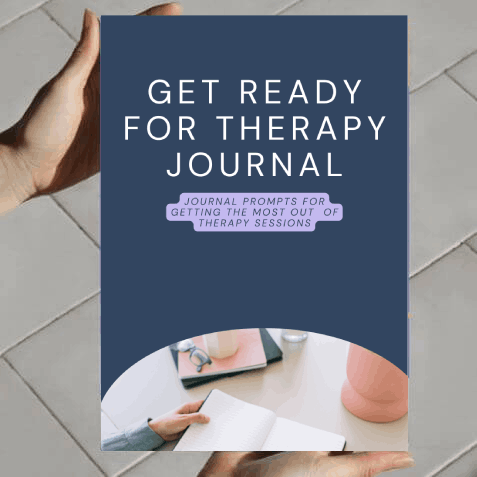
Your free Get Ready for Therapy mini journal

How to prepare for your first therapy session
Therapy can help you achieve your goals, but turning up to your session is only part of your wellbeing journey. Preparing for your therapy is equally important.
Why it helps to prepare for therapy
Before diving into therapy, it’s crucial to clarify your goals and expectations. Knowing what you want to achieve can help you choose the right therapist and make your sessions more effective. Whether you’re dealing with anxiety, navigating a life transition, or seeking to improve relationships, our journal will help you get the most out of your therapy journey.
Not sure who to see yet? Our guide to choosing between a psychologist, counsellor or social worker can help you work it out.

What’s Inside the Get Ready for Therapy Journal?
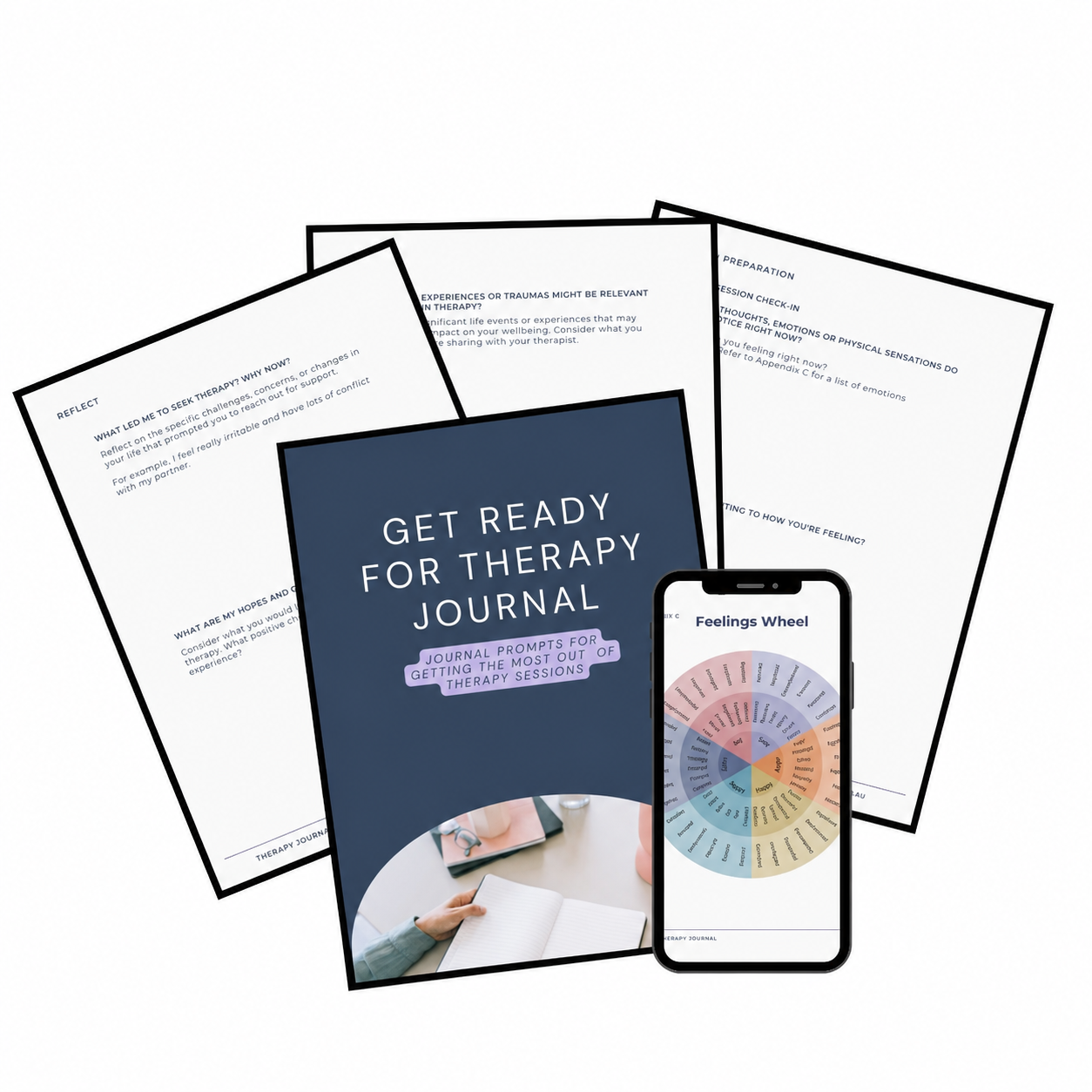
Our journal is packed with valuable insights and exercises, including:
- Clarifying Your Goals: Understand why you’re seeking therapy and what you hope to accomplish.
- Setting Realistic Expectations: Learn about what therapy can and can’t achieve.
- Identifying Key Issues: Pinpoint specific challenges and concerns you want to address.
- Self-Reflection Exercises: Engage in thoughtful reflection to prepare mentally and emotionally.
- Practical Tips for Your First Session: Get advice on how to prepare for your initial meeting with your therapist.
Benefits of Using Our Get Ready for Therapy Journal
- Focused Sessions: By preparing in advance, you can make your therapy sessions more targeted and effective.
- Enhanced Communication: Clearly communicate your needs and goals to your therapist from the start.
- Reduced Anxiety: Feel more confident and less anxious about starting therapy.
- Personalised Approach: Tailor your therapy experience to suit your unique needs and circumstances.
If you’re starting EMDR therapy, you might also like our guide to what to expect before starting EMDR therapy.
Get Your Journal Today
Ready to take the first step towards a more effective therapy experience? You can see the full range of support we offer on our counselling services page, with sessions in person in Melbourne and online across Australia.
Download the mini journal for free today
"*" indicates required fields

When you’re ready, get in touch with our team and we’ll help match you with the right clinician.

What Not to Say During a Panic Attack
What a panic attack actually is, five things people say with good intentions that make it worse, and what helps instead.

Self-harm is not attention seeking behaviour.
Is someone who self-harms being dramatic or attention seeking? The idea of non-suicidal self-injury (NSSI), often referred to as self-harm can stir up a range of feelings. It's often poorly understood and can leave people feeling angry or frustrated when they see...

Alcohol and depression
Alcohol and depression have a complex relationship. At first, when you drink alcohol, you're likely to feel good. You may feel relaxed, confident, and even more social. Alcohol stimulates the release of 'happy hormones' such as dopamine and serotonin. If alcohol can...