Getting Ready for an EMDR Therapy Intensive
You’ve been carrying this for longer than you meant to.
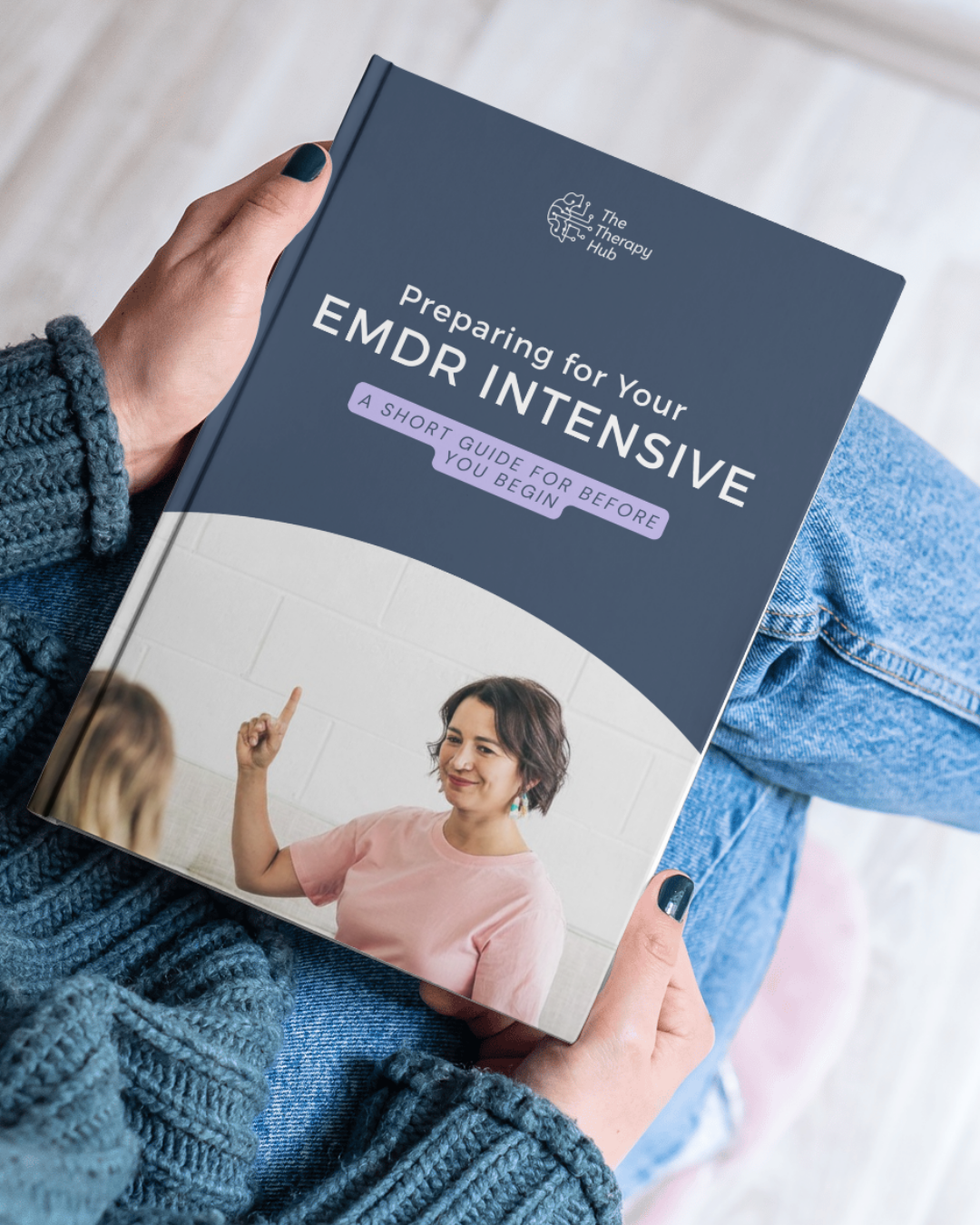

A free workbook on EMDR therapy intensives in Footscray and online. What they involve, how to prepare, and the questions worth asking before you book.
Weekly therapy works well for a lot of people. It doesn’t work for everyone, especially when what you’re carrying feels too big to fit into an hour a week.
An EMDR therapy intensive gives you longer, focused sessions instead of a weekly appointment, so you can do deeper work in a shorter period.
This workbook walks you through what an intensive actually involves, how to prepare whether you’re coming to our Footscray rooms or working with us online, and the questions worth asking yourself and us before you book.
It’s written by our EMDR therapy practitioners, and it’s useful whether or not you end up booking anything with us.
WHAT’S INSIDE
- What an EMDR therapy intensive actually involves
- How to prepare, in person and online
- Settling skills you can start using now
- A page to note what you want to work on, to bring to your assessment
- What the days and weeks afterwards are usually like
- Questions to ask yourself, and us, before booking
Get Your Workbook Today
Ready to take the first step towards a more effective emdr therapy experience?
"*" indicates required fields
We’ll also send occasional emails about EMDR therapy and trauma support at The Therapy Hub. You can unsubscribe any time.



How to Talk About Mental Health | The Therapy Hub
Worried about someone but scared of saying the wrong thing? Here is how to start a conversation about mental health in a way that actually helps.

Why Does My Partner Get Defensive? | The Therapy Hub
If your partner shuts down or gets defensive when you talk, it’s rarely random. Here’s what’s really going on, and how to start the conversation differently.

Family Therapy: When to Refer | The Therapy Hub
Family therapy is often most effective before families reach crisis point. This guide outlines when GPs and allied health professionals should consider referring families, including children and adolescents experiencing self-harm, new diagnoses, communication difficulties, or major life transitions. Learn how family therapy at The Therapy Hub supports healthier communication and stronger family relationships.